
Proven track record
EBITDA Improvement
Education Services Business
Weekly cash losses of $40k/week to sustained ~$10M EBITDA. National awards for customer service. Student base grew from 7,000 to 16,000, becoming the largest provider in the country.
Achieved within 18 months
Case studies
Proof. Not Promises.
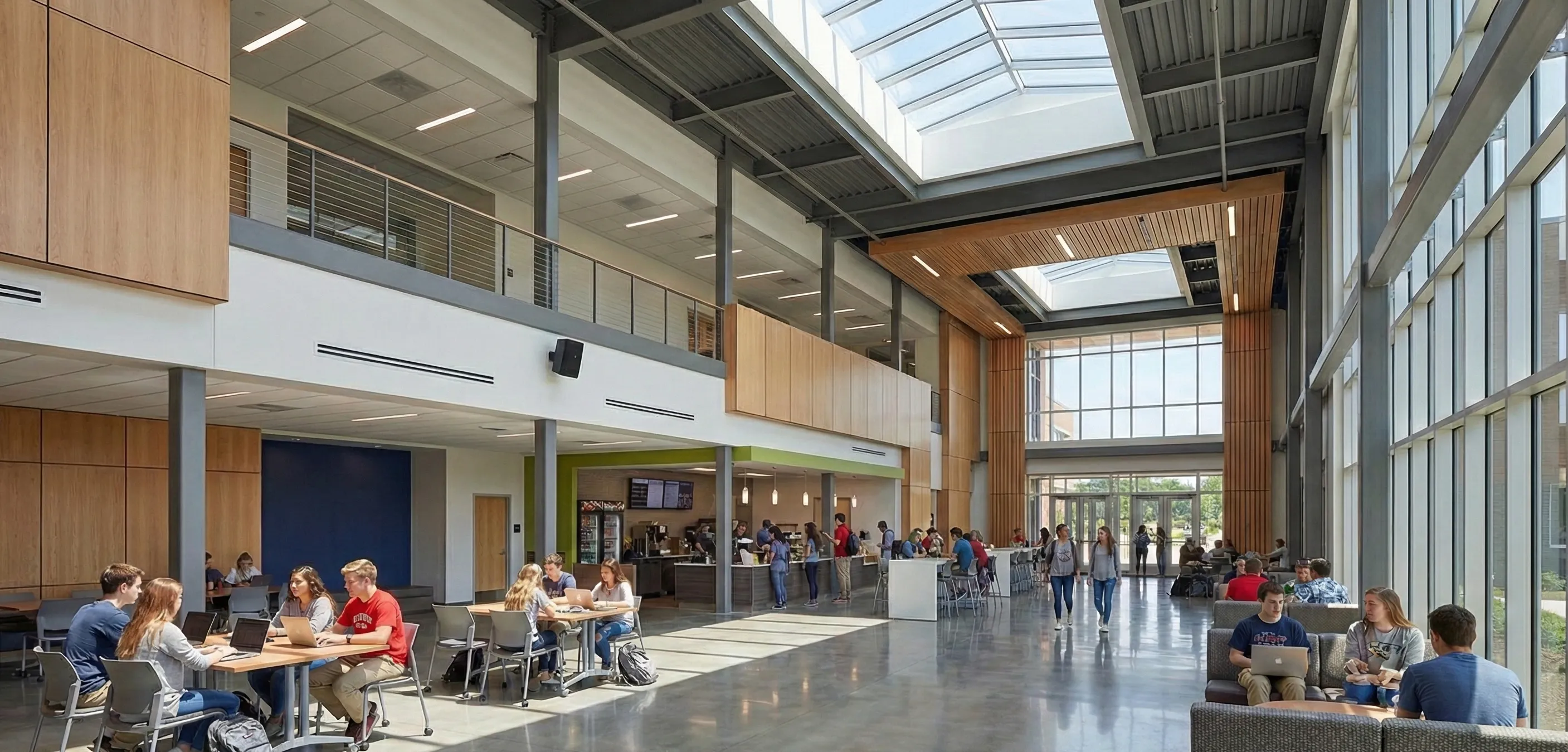
Education
$10M EBITDA Improvement
From Weekly Cash Losses to ~$10m EBITDA
A national education provider was losing $40k per week with a customer rating below 1.5 stars. We rebuilt the commercial model and turned it into the largest provider in the country.
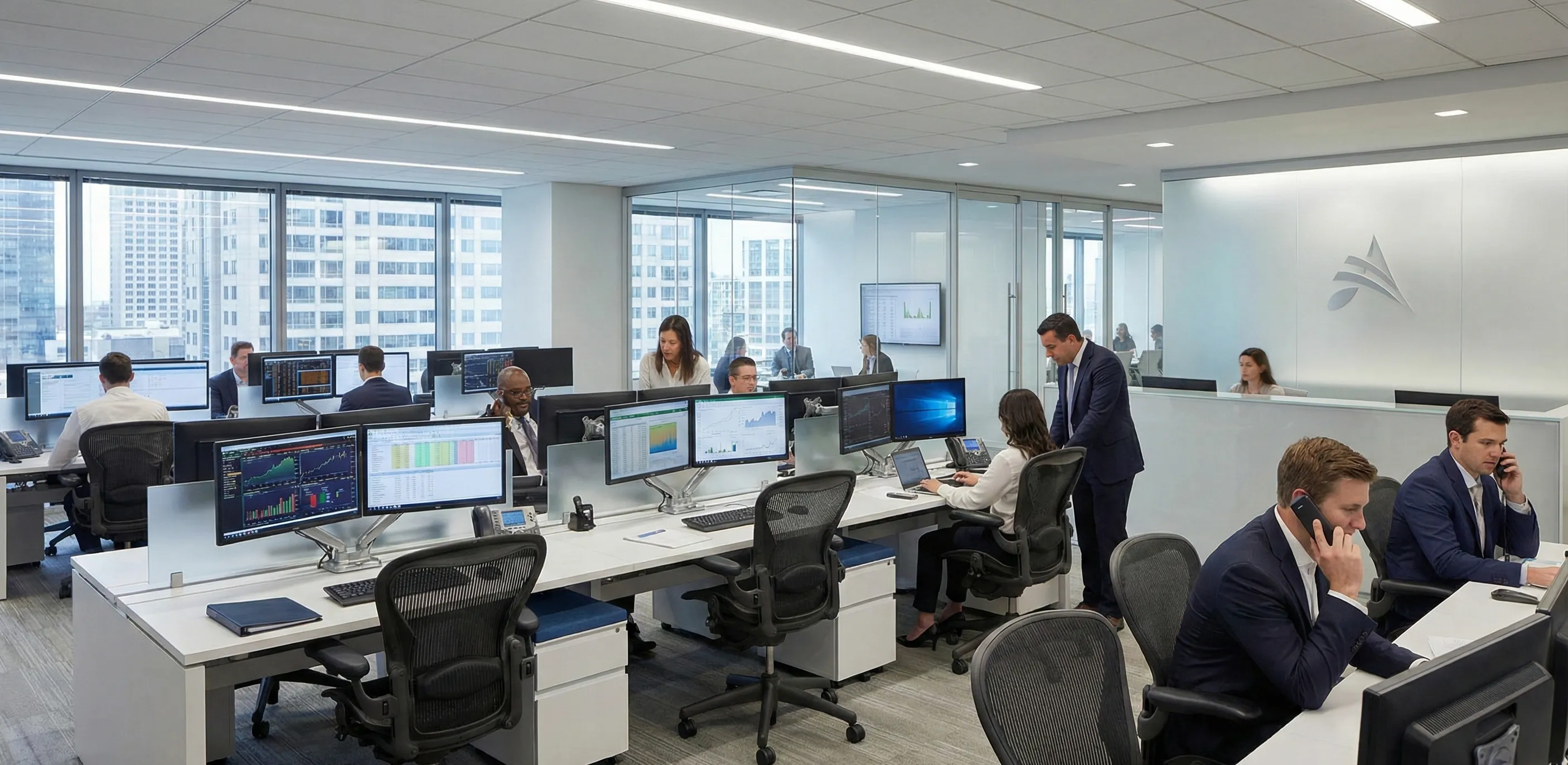
Financial Services
$6M Exit Within 3 Years
From ~$800k Losses to ~$250k Profit and $6m Sale
A financial services business was burning $100k per month with only $300k left in the bank. We rebuilt client value, restored profitability, and positioned it for a $6m sale.
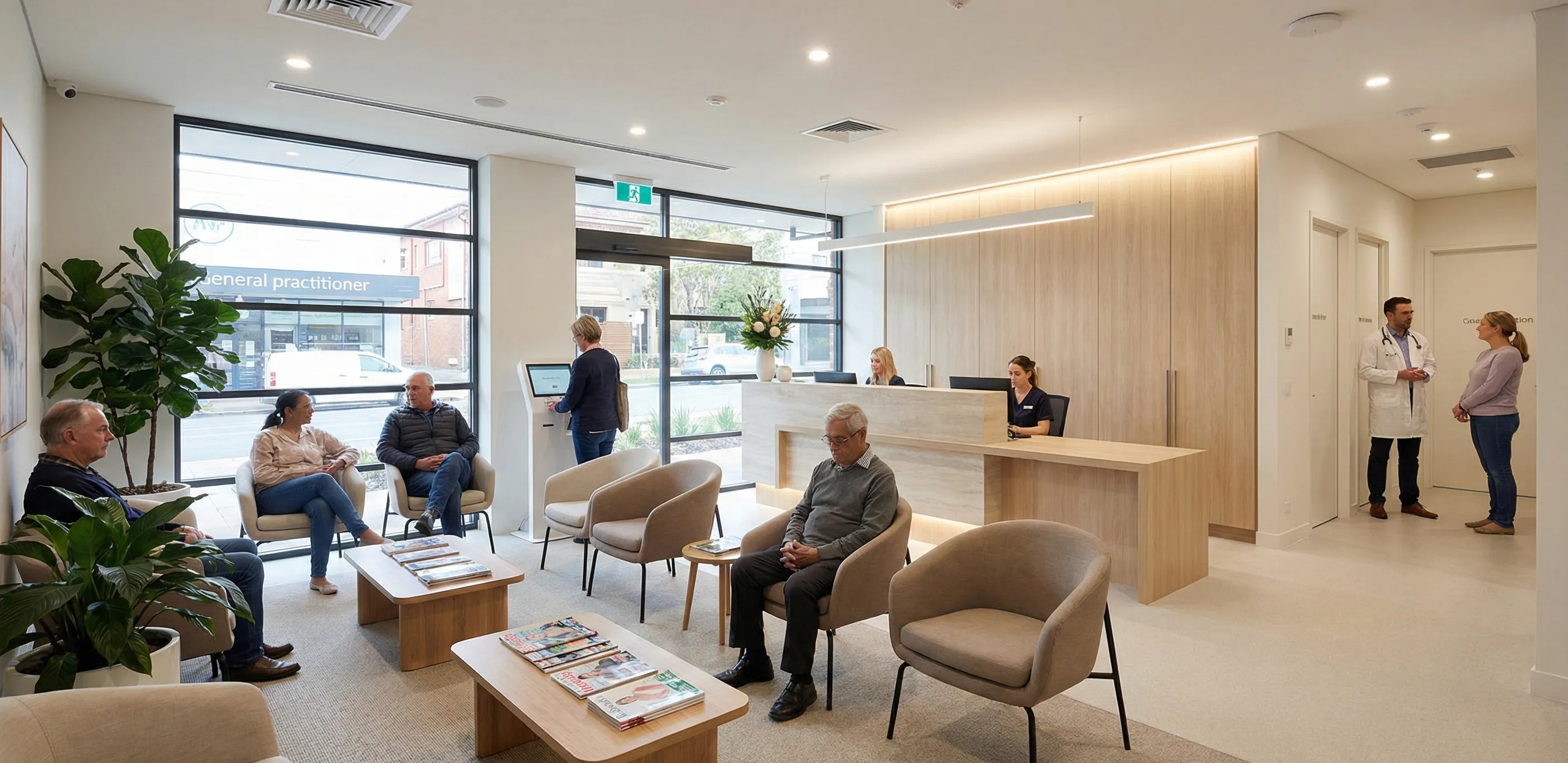
Healthcare
$3M Value Created
From Sustained Losses to >$500k Profit
A GP practice was losing over $350k annually, propped up by the owner's consulting income. We rebuilt the practice model and delivered over $500k profit within six months.
Performance problems are rarely obvious. That is what makes them expensive.
Most businesses that are underperforming are not broken. They are operating without the analytical rigour and operating infrastructure that consistent performance requires.
Profit is not keeping pace with revenue, but the cause is not clear enough to act on precisely.
Priorities have been set, but when results arrive in the P&L nobody can say with confidence what drove them.
Commercial opportunity exists inside the business: in the customer base, the product mix, the cost structure. But it is not visible enough to capture.
Planning happens, but it starts from assumption rather than a rigorous read of the actual data.
There is a sense that a more significant opportunity exists: a different direction, a bigger play. But it is not specific enough yet to move on.
The plan is to sell — or step back — at some point. But the honest assessment is that the business would not survive a buyer's due diligence in its current state. The gaps are probably knowable. The time to find them is not during the process.
These are not effort problems. They are structural ones.
Common situations we work on:
We read the business the way a PE firm would.
The same financial and commercial depth a PE firm applies to a portfolio company: P&L at unit level, margin by product and channel, cash flow drivers, customer economics, competitive position. Without taking equity.
Read the full picture
We assess from outside the business: no prior relationship to protect, no existing recommendation to defend. Every decision is filtered through a clear view of what the business is worth now, what is constraining that, and what would move it. The findings are ours. Not a facilitation of what the business already thinks.
A finding, not a facilitation. The analysis is independent before any work begins.
Connect priorities to outcomes
We take the assessment findings and build around them: clearer priorities, stronger accountability, and a more disciplined way of executing against what matters. Improvement becomes traceable rather than assumed. The business no longer needs someone from outside to interpret what the numbers are saying.
We assess, then we build. The architecture is only as good as the diagnosis it is built from.
Hold the discipline
For clients where ongoing involvement makes sense, APG reviews performance monthly: against the numbers, against the priorities, against what was expected. Not embedded in the operation. Close enough to hold the discipline and surface issues before they compound.
Clarity and optimisation without discipline revert. The monthly review is what makes improvement compound rather than fade.
The APG Performance System℠
The infrastructure behind execution.
Most strategies fail in execution, not planning. Priorities blur, initiatives lose their link to outcomes, and financial performance drifts from the work being done.
The APG Performance System℠ is the infrastructure that links operational initiatives directly to the financial outcomes they are expected to deliver. Every insight has an initiative. Every initiative has a number.
Explore the Performance System →Diagnostic visibility
A clear picture of where financial performance is being created, where it is leaking, and what will unlock it.
Initiative tracking
Every initiative connected to a strategic insight and traced to its EBITDA impact. No guesswork.
Execution discipline
Operating rhythms that keep the team focused on the drivers that actually move performance.
Performance visibility
Continuous visibility into what is working, what is not, and where to course-correct.
How we work
What makes the model different
Every engagement starts with the owner's goals
A business being run toward an exit in three years needs different priorities than one being built for scale. The Commercial Assessment begins by establishing what the owner actually wants. The right set of priorities depends on it.
We assess, then we build
The Commercial Assessment and Performance Architecture are distinct engagements. The Assessment finds what is happening. Performance Architecture builds the operating infrastructure to act on it. You can stop after either one. But the architecture is only as good as the diagnosis it is built from.
We work from outside the day-to-day
APG does not manage your initiatives, own your KPIs, or sit in your weekly meetings. The execution belongs to the business. We bring the outside view, the analytical rigour, and the discipline of regular review against the numbers.
We are selective
The model works when the owner is prepared to look at what the data shows, including the things that are uncomfortable. We work with a small number of clients at any one time. If the goal is confirmation of what you already believe, we are not the right fit.
Our principles
Actionable.
If you can't implement it, we won't recommend it.
Pragmatic.
ROI-focused, feasibility-tested. Balance ideal versus achievable.
Grounded.
Every recommendation tied to impact on cash flow, profitability and value. Rooted in financial reality, not theoretical best practices.
How we engage
Three engagements. Each with a defined scope and a clear output.
Commercial Assessment
A precise picture of what is actually happening in your business.
A structured diagnostic across seven dimensions: strategy and direction, financial performance, commercial performance, operations, people and leadership, systems and visibility, and owner alignment. Delivered as a prioritised findings report with a recommended pathway.
Outcome
You will know what is constraining performance, where the commercial opportunity is, and what should happen first.
Investment
Fixed fee. Defined scope. Clear output.
Performance Architecture
Build the structure that connects priorities to financial outcomes.
We take the Assessment findings and build the structure around them: clearer priorities, stronger accountability, and a disciplined way of executing against what matters. Improvement becomes traceable rather than assumed.
Outcome
A direct, measurable line from priorities to financial outcomes. Tracked, not assumed.
Investment
Fixed base fee. Performance component available where attribution is clean and metrics are agreed.
Advisory Cadence
Hold the discipline. Surface issues before they compound.
For clients where ongoing involvement makes sense, APG reviews performance monthly: against the numbers, against the priorities, against what was expected. Not embedded in the operation. Close enough to hold the discipline and surface issues before they compound.
Outcome
Improvement compounds rather than reverts. The same constraints do not repeat.
Investment
Monthly retainer. Performance upside where metrics are agreed.
About APG Partners
Built on operating experience where results had to show up in the numbers.
APG was built out of direct senior operating roles: turnarounds, rebuilds, growth situations across multiple sectors. The assessment approach was developed in environments where the analytical read of the business had to be right, because the consequences of getting it wrong were real.
The same pattern appeared consistently: businesses underperforming not because everything was broken, but because the right things were not being seen precisely enough to act on with discipline. APG exists to fix that.
45+ years of combined operating leadership. Direct P&L accountability across turnaround, rebuild, and growth situations.
Step-change turnaround
Weekly losses → $10M EBITDA
Adam as CEO. Trent as COO. Achieved within 18 months.

Trent West
20+ years of senior management experience with direct P&L responsibility, financial performance accountability, crisis management and growth execution. Architect of the APG Performance System.
LinkedIn
Adam Woollard
25 years as employee, CFO and CEO. Led companies from insolvency to multi-million dollar exits. Built a national market leader from a small, underperforming participant.
LinkedInThe APG System
Built around three connected components.
Commercial Baseline ℠
Establish the financial and operational reality of the business.
Planning Model ℠
Translate insight into a prioritised execution roadmap.
Performance System ℠
Track initiatives and their impact on financial outcomes.
If performance is below potential, the first step is knowing precisely why.
A Commercial Assessment takes two to four weeks. Fixed fee. At the end, you have a clear picture of what is constraining performance, where the opportunity is, and what should happen first.
Start with a Commercial Assessment →