
Trent West
9 Minutes
How a Logframe Forces You to Think Straight
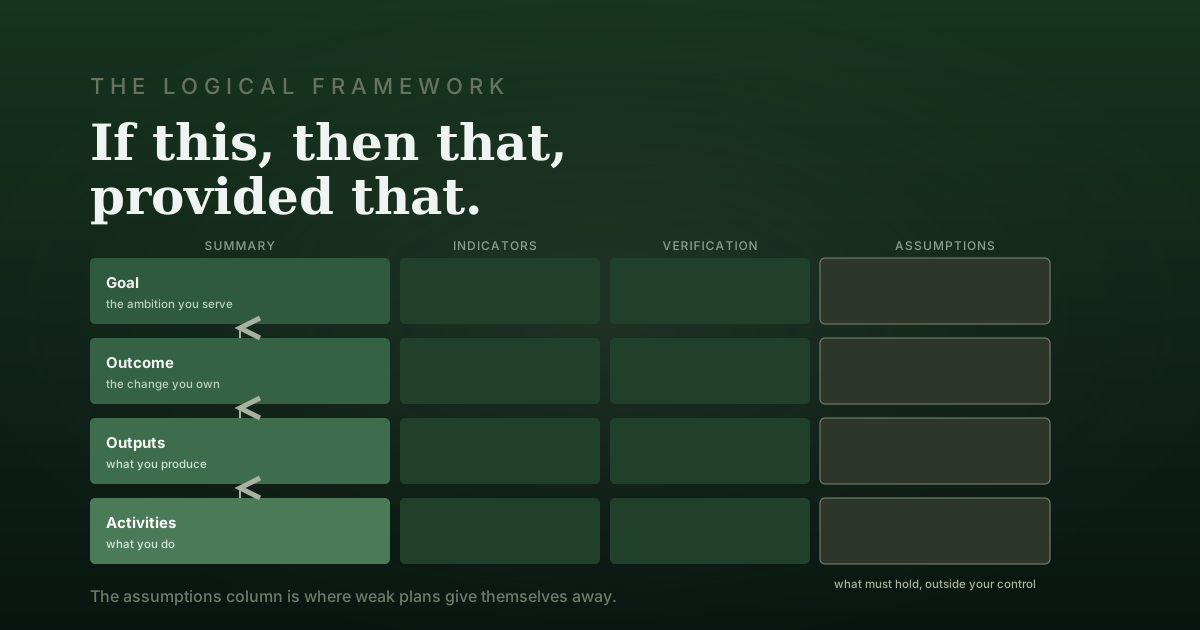
Most plans are a list of activities with a hopeful goal stapled on top, and no honest account of what has to be true for one to produce the other. The logframe is an unfashionable, slightly bureaucratic grid from the aid world, and it's still the cheapest device ever invented for exposing weak thinking before you spend.
Trent West
9 Minutes
Your Business Is Getting Exactly the Results It's Built to Produce
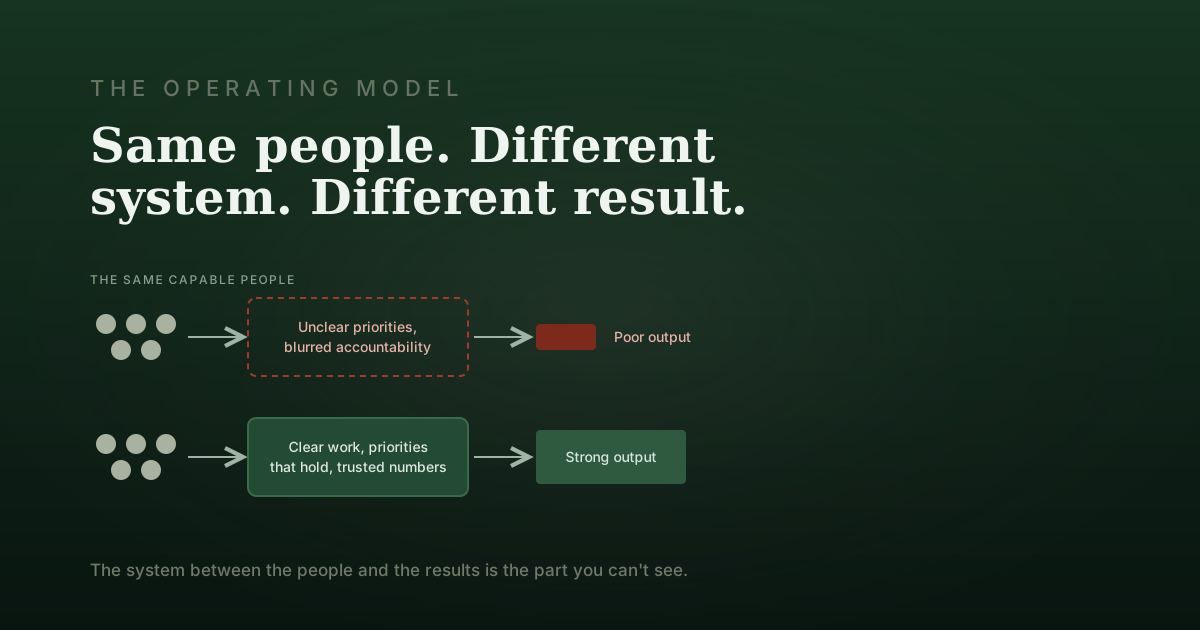
When results disappoint, owners reach for the people: hire harder, exhort louder, move the boxes around. It rarely works, because the output a business produces is mostly a property of the system it runs, not the talent inside it. Change the people and the results often stay the same, which tells you where to actually look.
Trent West
9 Minutes
The Business on One Page: Finding Your Value Hotspot
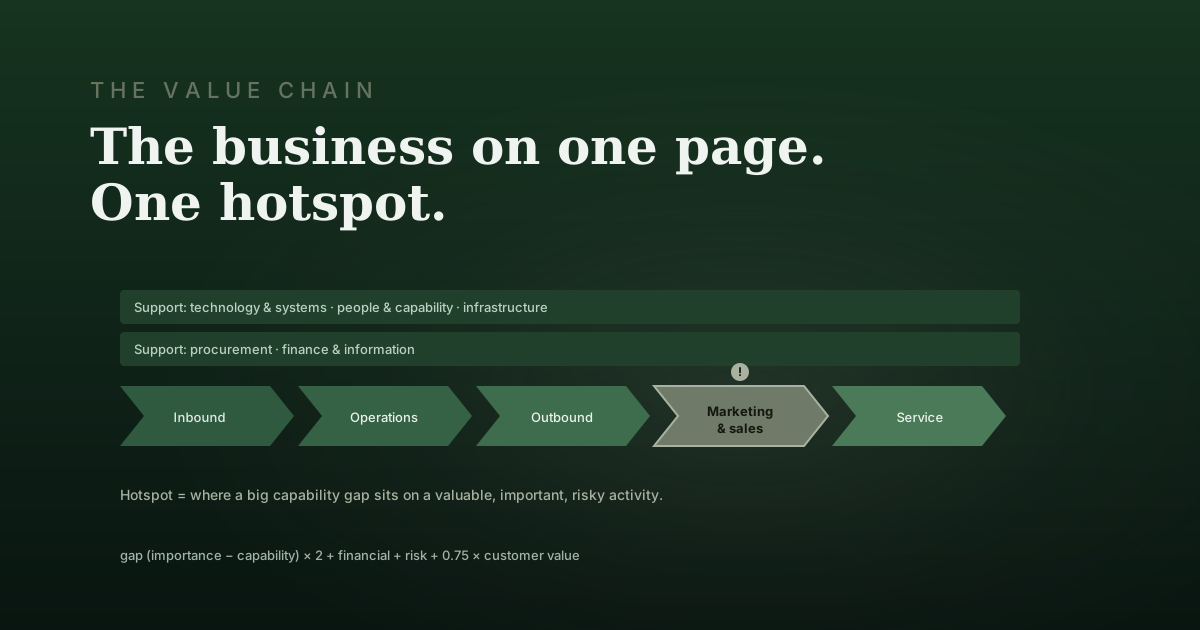
Owners try to improve 'the business' as a single blob, or fix whatever's loudest, or invest in the part they personally enjoy. The value chain forces a better question: of all your activities, which one is worth improving most? The answer is rarely the weakest one, and rarely the one you'd guess.
Trent West
8 Minutes
Levers, Outcomes and Constraints: Knowing Which Is Which
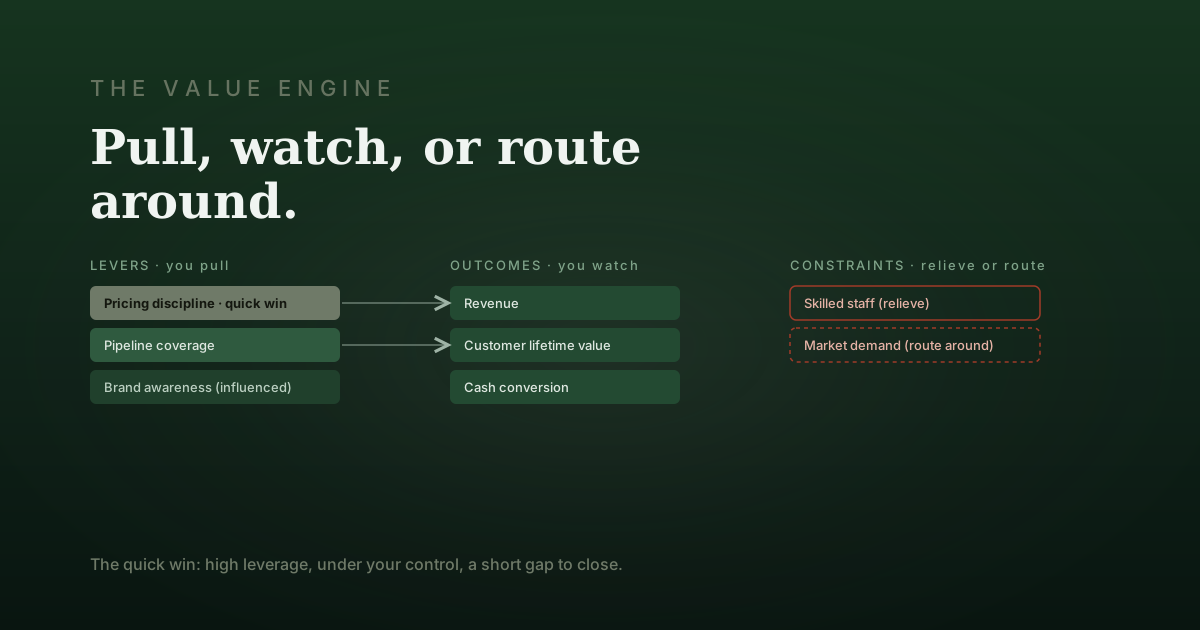
Owners treat every number on the dashboard as something to push on. Most of them can't be pushed at all. Sorting your drivers into the three kinds, the levers you pull, the outcomes you can only watch, and the constraints that cap everything else, is what stops effort going where it can't work.
Trent West
8 Minutes
Not All Gaps Are Worth Closing: Ranking Capability by What Your Industry Rewards
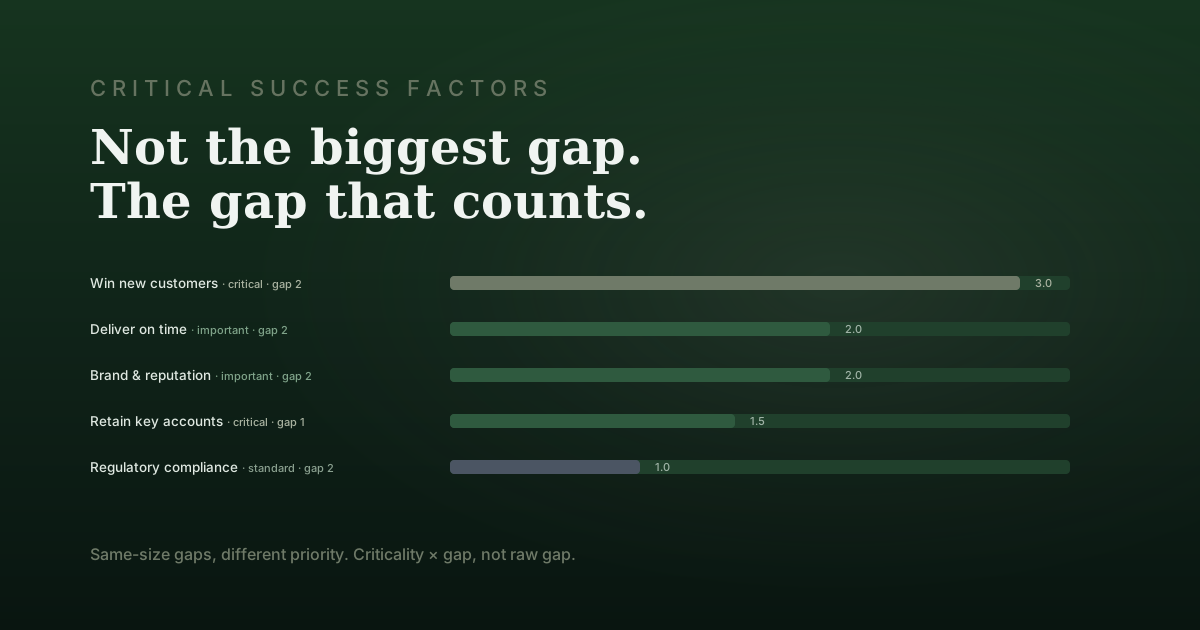
A generic capability audit scores you on everything and sends you off to fix whatever you're worst at, which is often something that barely matters in your market. The better question isn't where you're weakest, it's where you're weak on the few things your industry actually rewards.
Trent West
9 Minutes
The Seven-Part Business Health Check (and Why Your Weakest Part Isn't Where You Think)
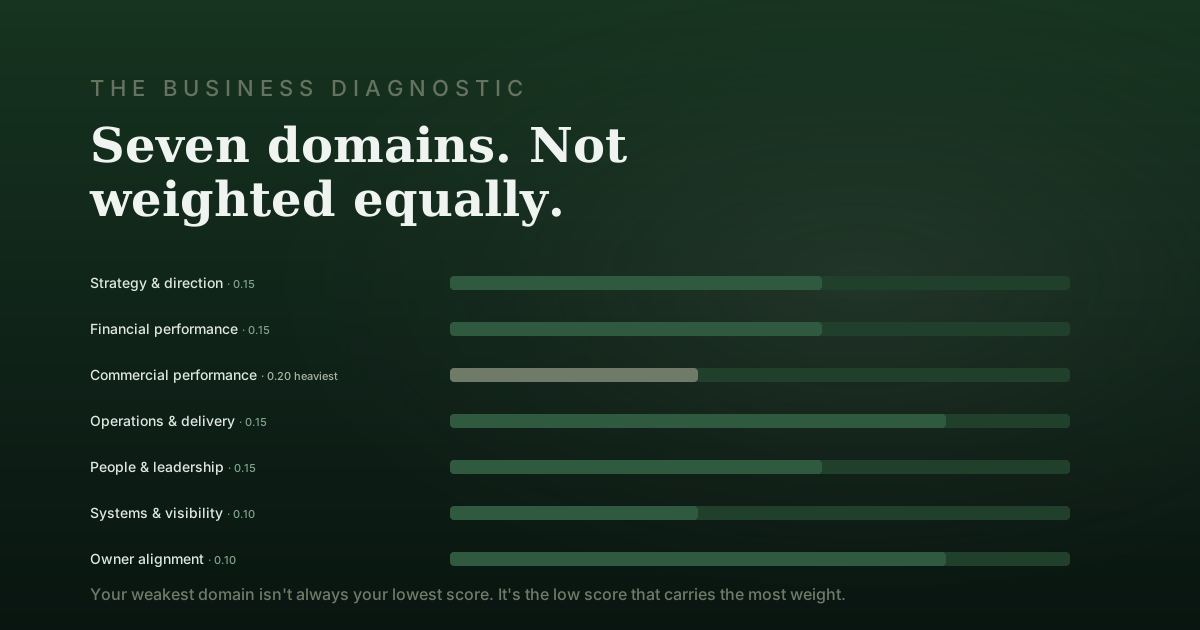
Owners assess their business the way they assess themselves: generous where they're comfortable, blind where they're not. A structured diagnostic scores the parts you'd rather not look at on the same scale as the parts you're proud of, and weights them, because a business doesn't fail evenly.
Trent West
8 Minutes
What to Do Next: How to Rank a Backlog Without Fooling Yourself
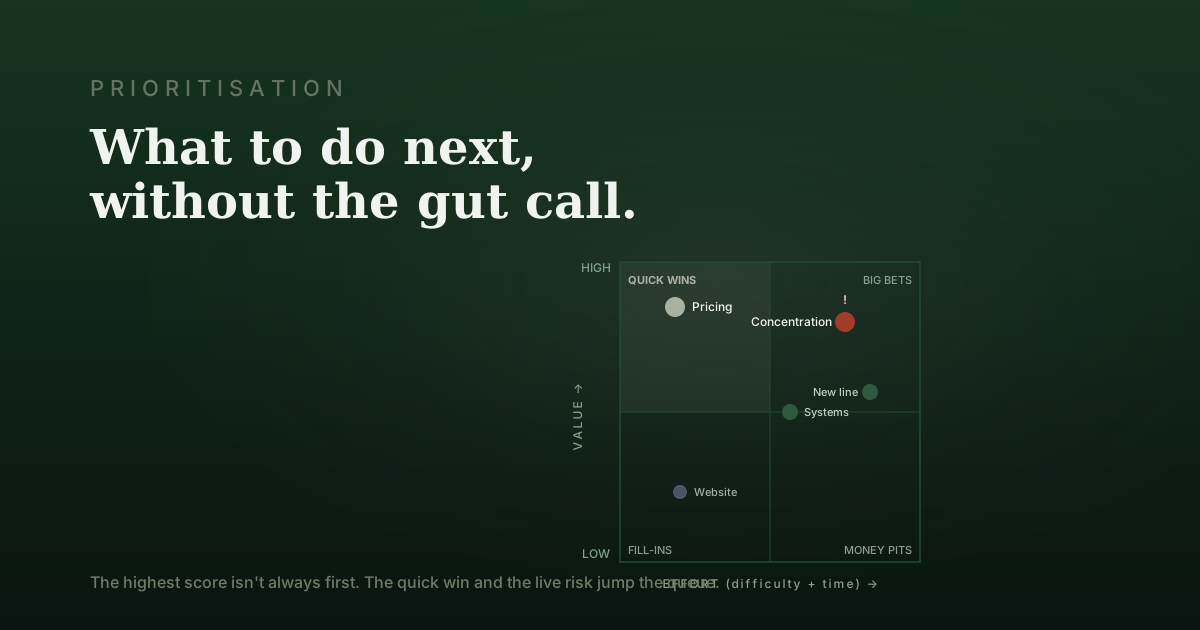
Every owner has a list of good ideas, and they get done in the order of whoever pushed hardest, or what's most fun, or what came up last. None of those is 'what's worth most.' A scoring model with fixed weights takes the ranking out of your gut, and separates the two things that should actually jump the queue.
Trent West
8 Minutes
Why Strategy Only Creates Value When the Loop Closes
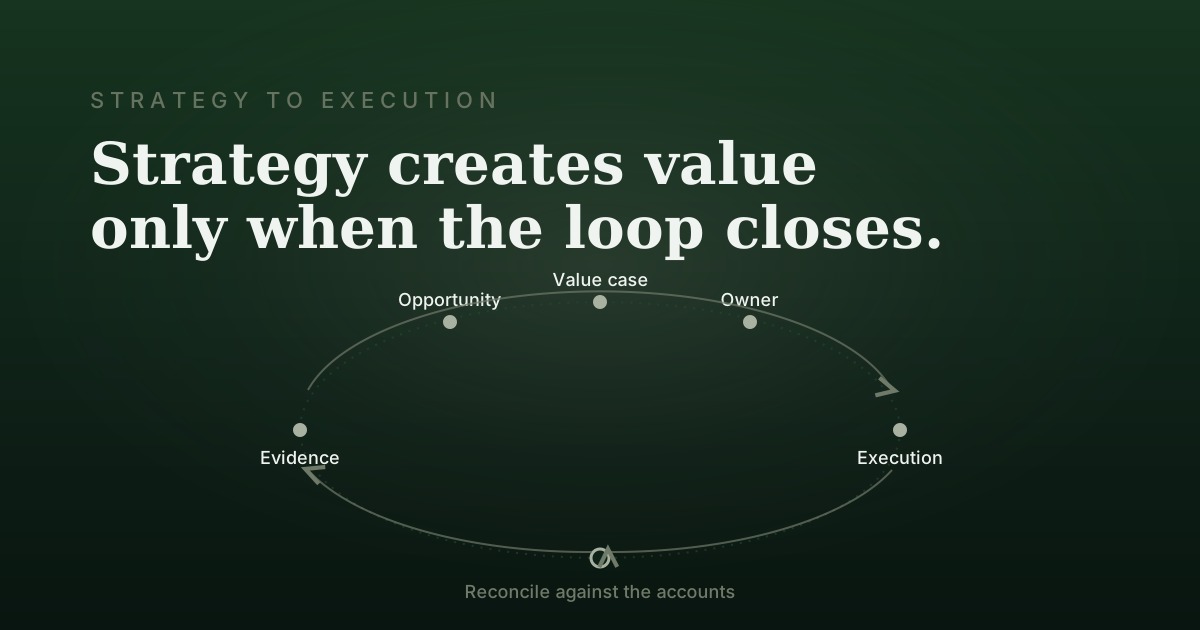
Most strategies fail somewhere between the recommendation and the result, and it's rarely the thinking that's wrong. Five gaps sit between a good plan and realised value: no number, no order, no owner, no mechanism, no reconciliation. Close them and strategy finally shows up in the accounts.

Trent West
7 Minutes
What an Initiative Is Actually Worth: the Value Case
The opportunity is never the value. Between a $900K opportunity and what it adds to the business sit three discounts most plans skip: how much you'll capture, what it costs to get, and how sure you really are. The value case is what's left.

Trent West
5 Minutes
The Data-Room Readiness Checklist for a Business Sale
Every serious buyer runs a data room before they pay, and a scramble to assemble it costs you value. A free checklist of what a buyer's advisor asks for, across seven areas, so you can build it before you go to market.
Trent West
5 Minutes
The Commercial Due Diligence Checklist for Owner-Led Businesses
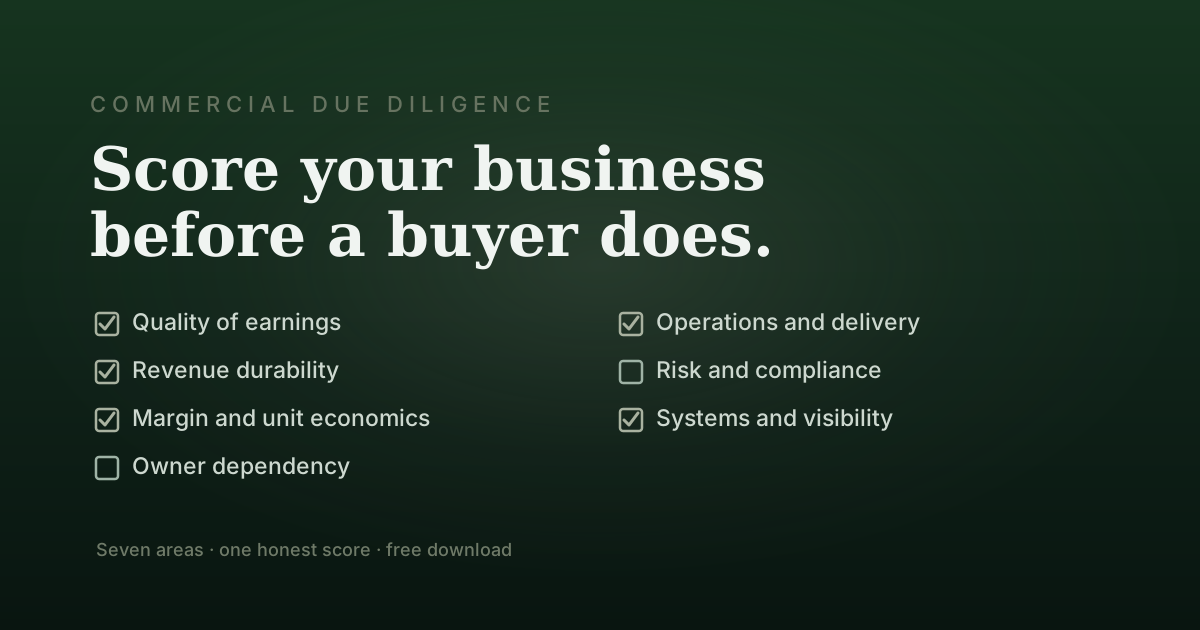
A buyer runs commercial due diligence before they pay. Run it on yourself first. A free checklist across the seven areas where owner-led businesses lose value, and how to read your score.
Trent West
8 Minutes
How to Reduce Owner Dependency Without the Business Falling Over
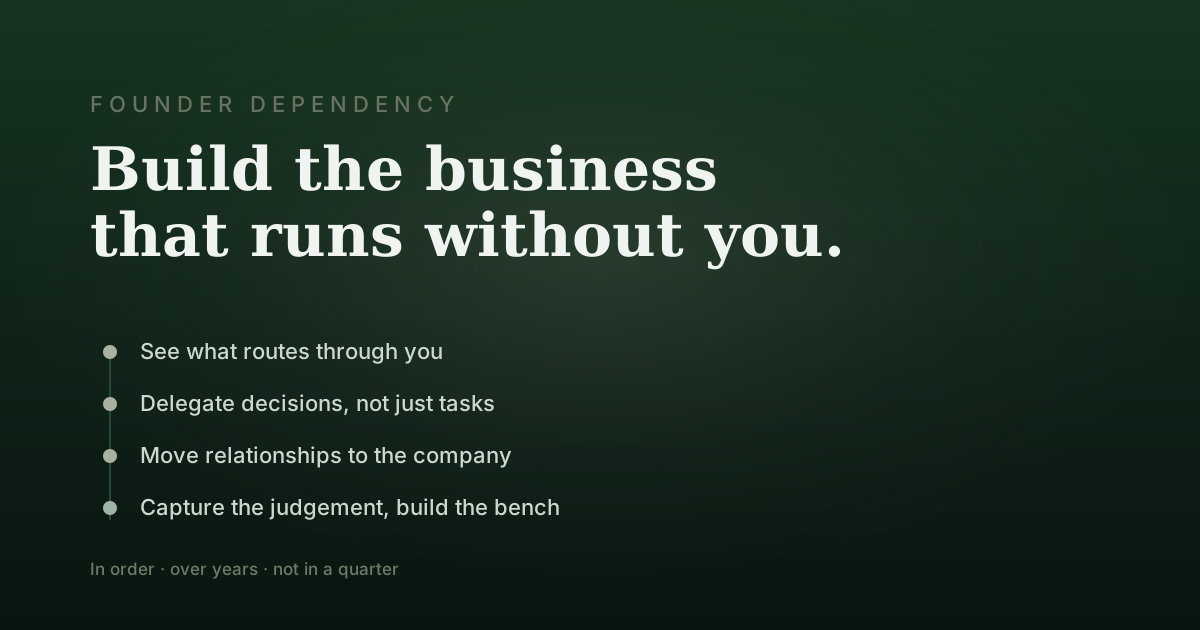
Knowing your business depends too much on you is the easy part. Actually removing yourself, in the right order, without dropping the ball, is the work. A practical sequence for building a business that runs without you.
Trent West
9 Minutes
How to Prepare Your Business for Sale
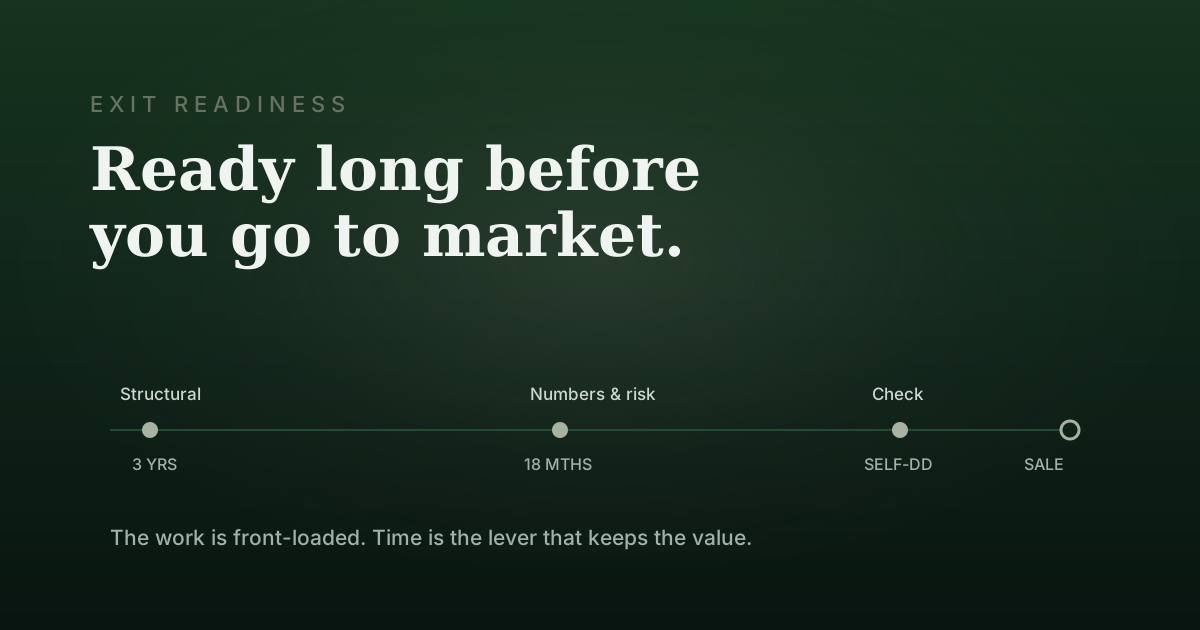
Most businesses that go to market never sell, and the reason is almost always preparation rather than price. A practical timeline for the two to three years before a sale, and the handful of things that decide what a buyer pays.
Trent West
7 Minutes
EBITDA Normalisation: What Buyers Add Back, and Why
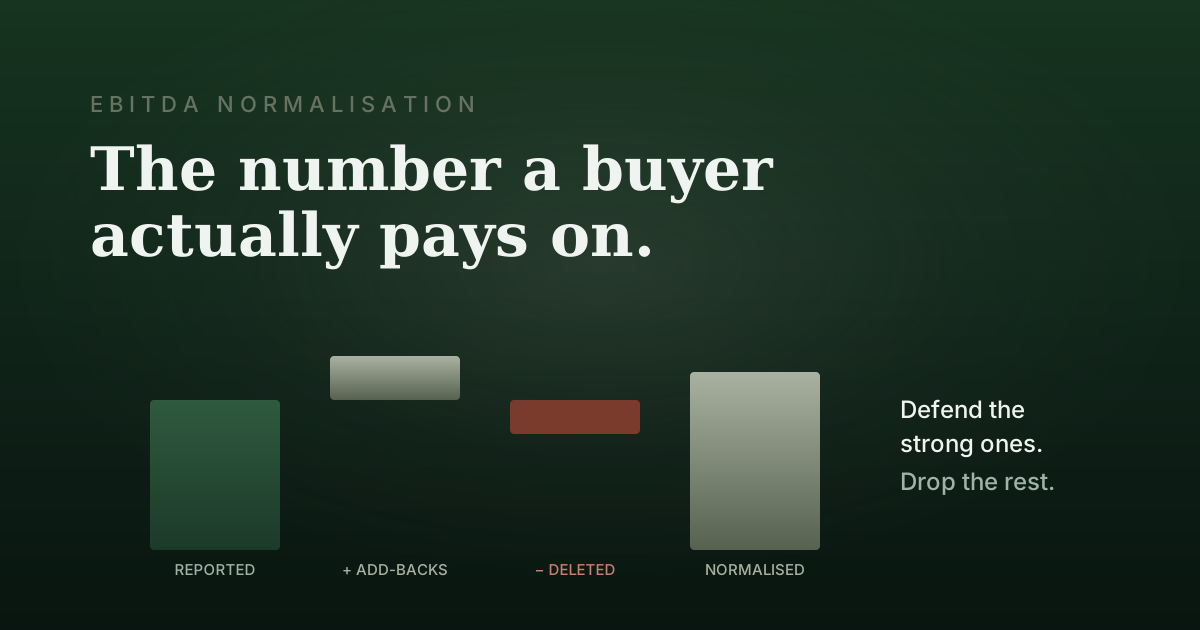
Normalised EBITDA is the number a business actually sells on, and it's rarely the number in the accounts. What an add-back is, which ones a buyer accepts, which ones they delete, and why an aggressive list costs you more than it wins.
Trent West
7 Minutes
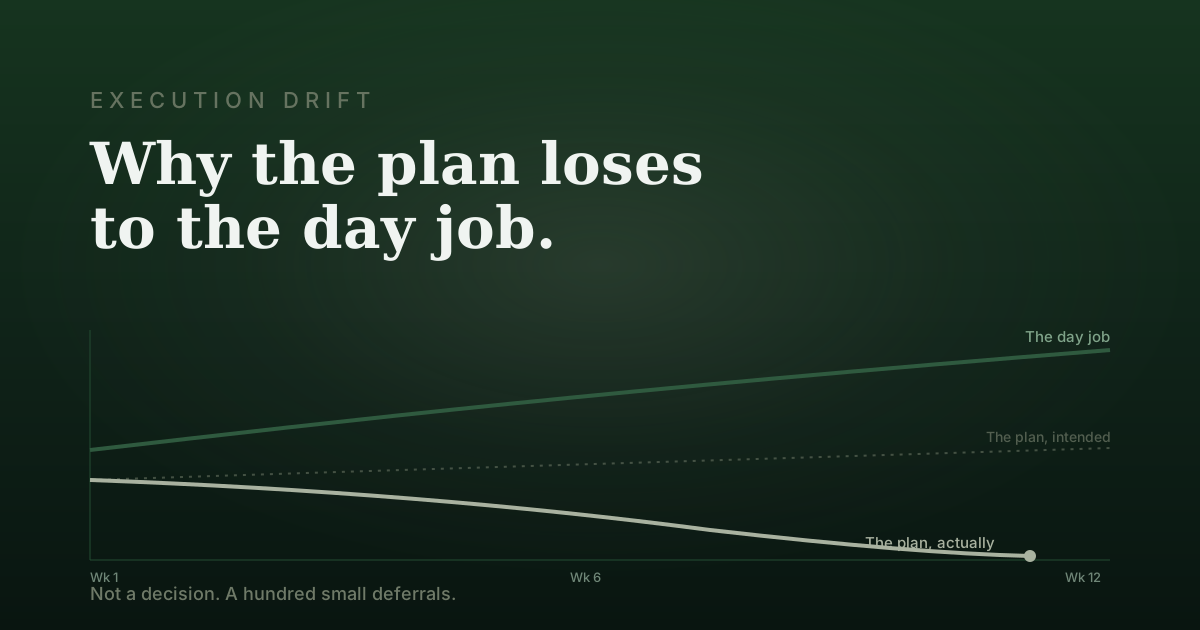
Why the Plan Loses to the Day Job
The strategy isn't usually wrong. It just never gets done, because the urgent work that has an owner and a deadline beats the important work that has neither, every ordinary week. Execution drift is that quiet, daily loss, and it's fixable once you can see where it happens.
Trent West
8 Minutes
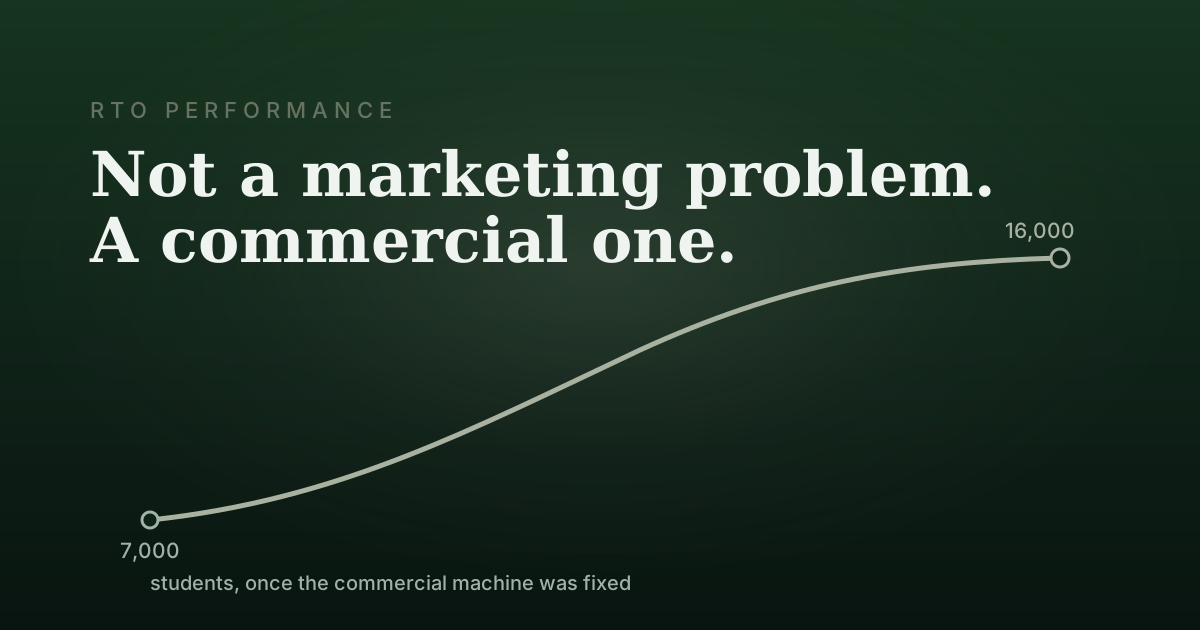
Why RTO Enrolments Stall, and What Actually Moves Them
When an RTO stops growing, owners reach for more marketing, more agents, or lower fees. The real constraint is usually the commercial model underneath: enrolment economics, cost to serve, and delivery capacity. What we learned taking a provider from 7,000 to 16,000 students.
Trent West
9 Minutes
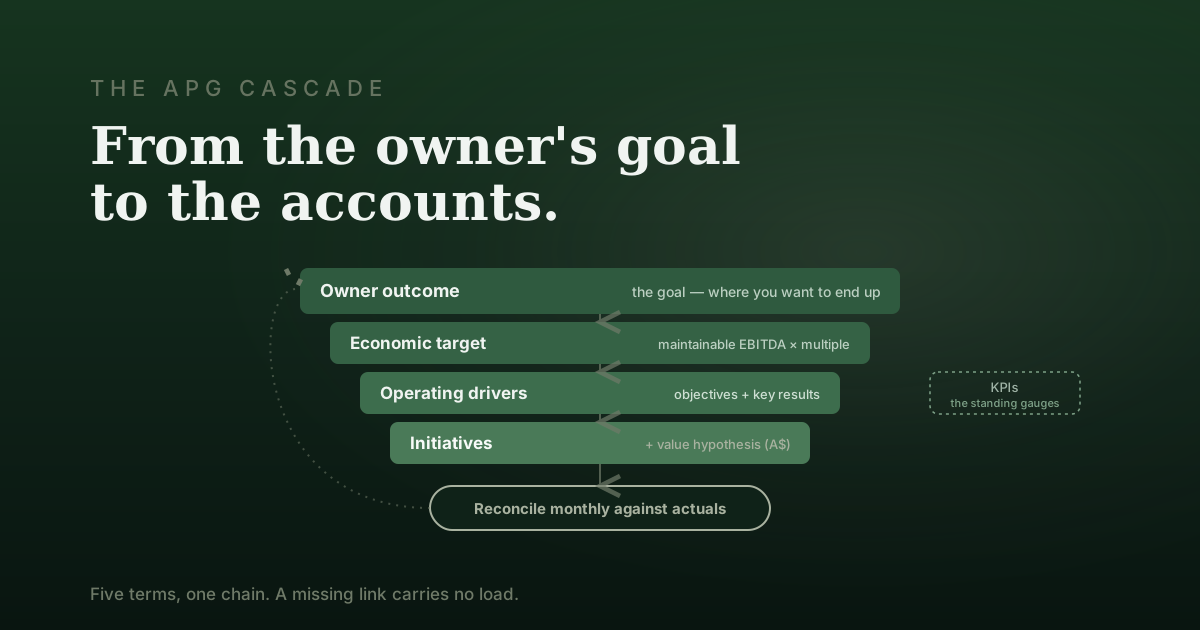
Goals, Objectives, Key Results, KPIs and Initiatives: How They Actually Connect
Most businesses stack these five terms without connecting them, so the quarterly objectives never reach the owner's real goal and never land in the accounts. The APG cascade links all five into one chain, from the owner's ambition to the number that shows up in EBITDA.

Trent West
10 Minutes
How to Run a Market and Competitor Assessment That Changes a Decision
Most competitor analysis is a decorative slide: a list of who's bigger, with no consequence attached. A useful one scores your position against the field on the few dimensions that move enterprise value, and separates two things owners always confuse: whether your strategy is coherent, and whether it's actually different.

Trent West
9 Minutes
Do Your Customers Actually Want What You Sell? Measuring Product-Customer Fit
Product-market fit gets used as a badge you award yourself, not a thing you measure. The value proposition canvas makes it measurable: fit is the overlap between the pains and gains your customers actually care about and the ones your offer actually addresses, and most businesses are covering the wrong ones.

Trent West
9 Minutes
The Right People in the Right Seats: Two Tests, Not One
When performance disappoints, owners reach for the people lever: hire, exhort, reorganise. It rarely works, because 'is this the right person' and 'are they in the right seat' are two different questions, and most businesses never separate them. Here's how to, and when the honest answer is that the problem was never the people.
Trent West
7 Minutes
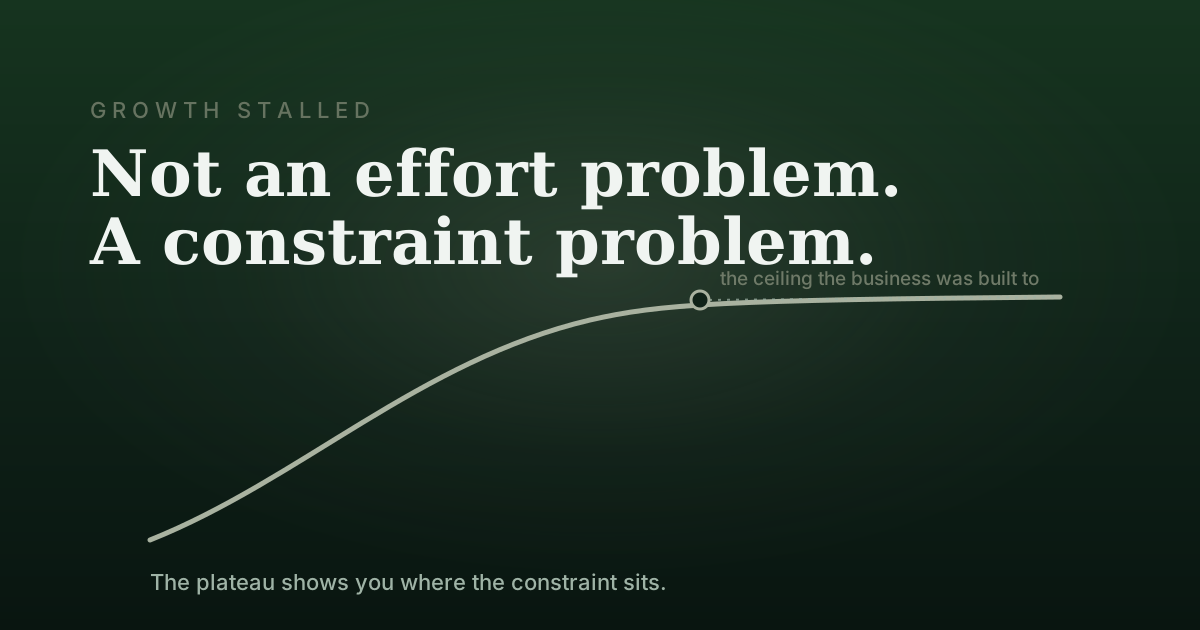
Why Your Business Growth Has Stalled
A plateau is rarely a sales problem, and pushing harder usually makes it worse. What actually caps a business at the same revenue year after year, how to find the real constraint, and why it quietly costs you at exit too.
Trent West
8 Minutes
Founder Dependency and What It Costs You at Sale
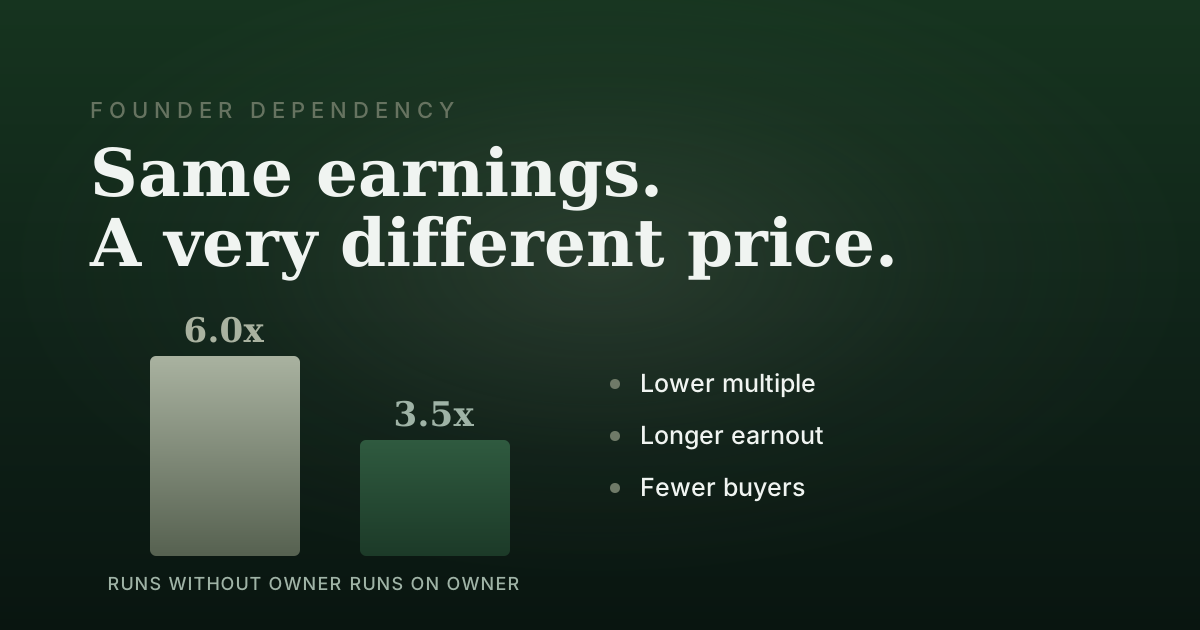
A founder-dependent business earns the same as an independent one and sells for less. Sometimes far less. Why buyers discount it, how they price it, and what actually moves the number before a sale.
Trent West
8 Minutes
How to Increase EBITDA Before Selling Your Business
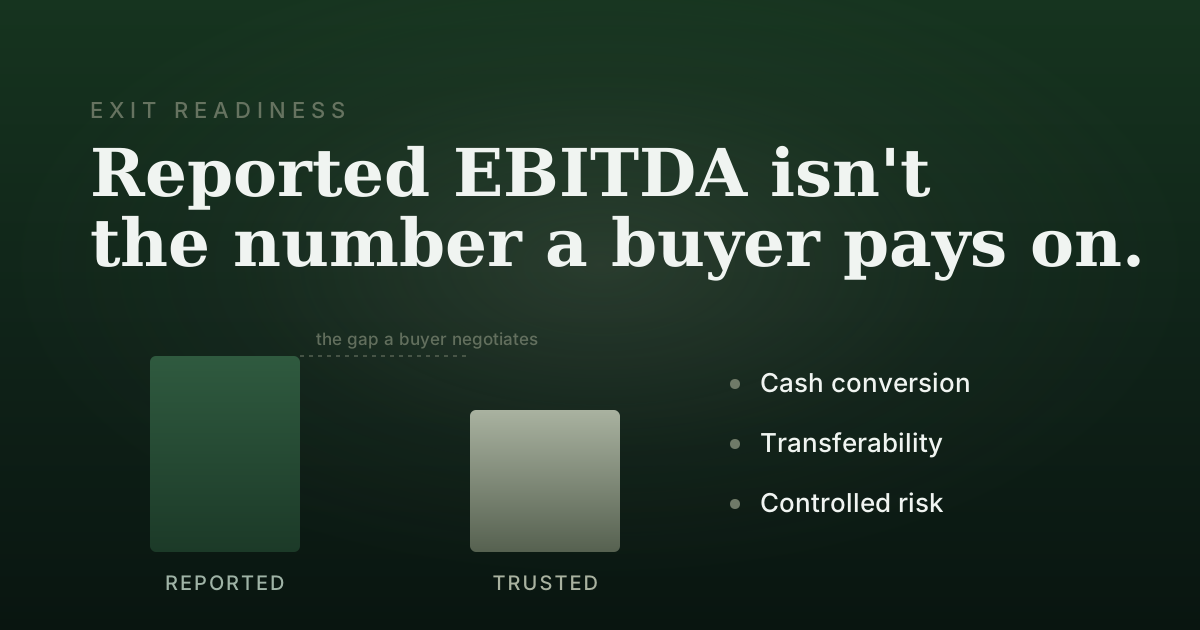
Growing EBITDA before a sale is the easy half. The hard half is EBITDA a buyer believes: earnings that turn into cash, processes that transfer, and risk that's controlled. What actually holds the multiple.
Trent West
6 Minutes
Same EBITDA. Eleven Million Apart.
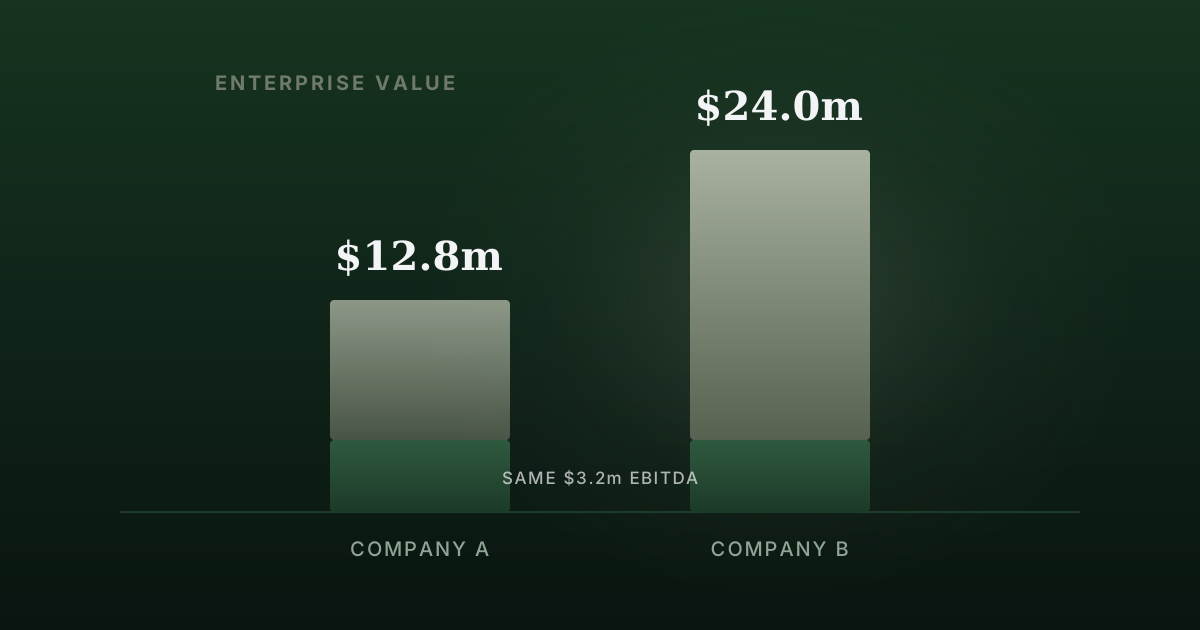
Two businesses in the same industry, both earning $3.2m of EBITDA. One is worth $12.8m, the other $24m. Nothing in either set of accounts explains the gap. A worked example of what a buyer is actually pricing.

Trent West
17 Minutes
Why Adding Technology Rarely Fixes an Unclear Operating Model
Technology is often introduced with the expectation that it will make the business more efficient. But a system can only improve a well-designed process, it cannot decide how the business should operate. When the operating model is unclear, technology tends to digitise the ambiguity already present in the business.
Trent West
16 Minutes
Why Most Strategic Plans Fail After the Planning Workshop
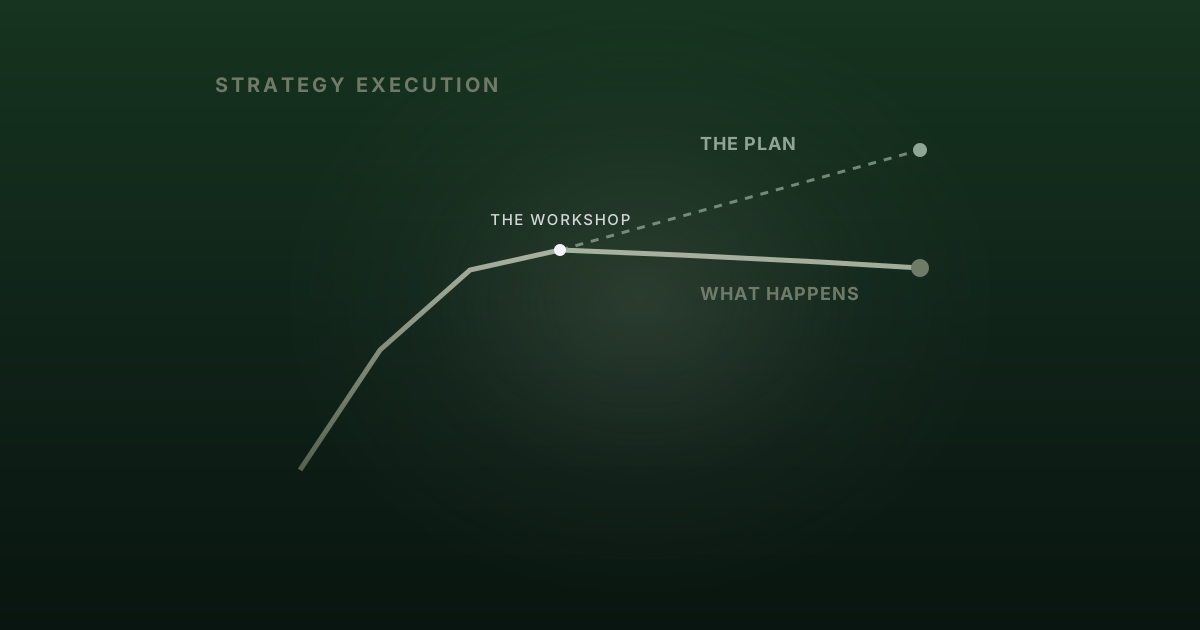
Strategic planning is rarely the problem. The workshop creates direction, but not the management system required to convert that direction into results. Most plans weaken in the gap between deciding what to do and actually executing it.
Trent West
13 Minutes
Growth Without Operating Discipline
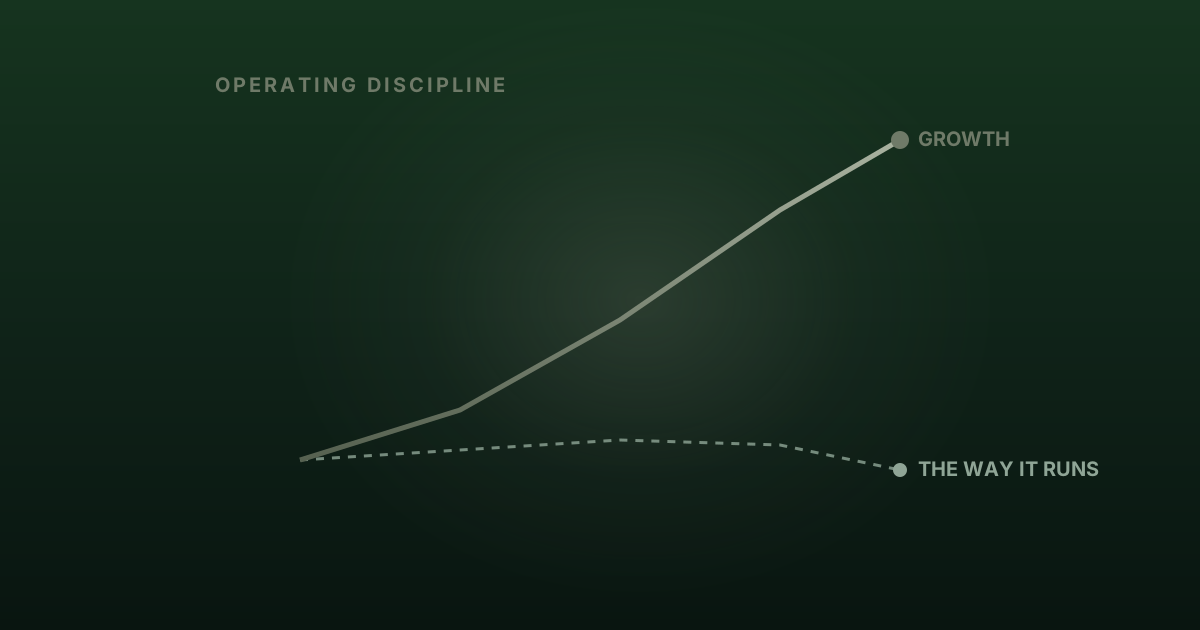
Growth changes a business faster than many owners expect. The operating habits that work at $3 million can become unreliable at $10 million. This is where growth without the way the business is run begins, and where the most important transition for an owner-led business has to be managed.
Trent West
5 Minutes
Why Your Revenue Is Growing But Your Profit Isn't
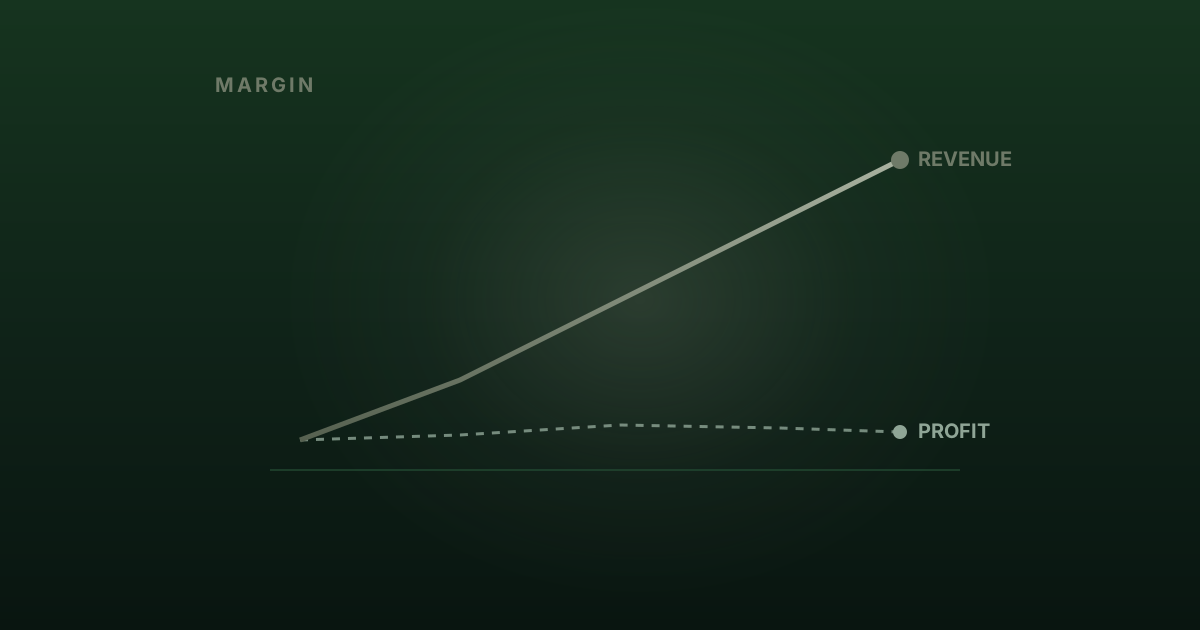
Revenue growth is visible. Profit that doesn't keep pace is harder to explain, and harder to fix. For most owner-led businesses the cause is a constraint that stays hidden in the aggregate accounts, rather than a matter of effort or market conditions.

Trent West
4 Minutes
Cautious Optimism Isn't a Strategy: What SMEs Actually Need for 2026
MYOB's December 2025 Business Monitor found that 19% of SMEs have seen revenue increase over the past six months, a four-point rise from the prior period. 26% expect revenue to grow in the year ahead. Among business owners aged 18-30, 37% expect economic conditions to improve.
Trent West
5 Minutes
Three Numbers That Will Define Australian SMEs in 2026
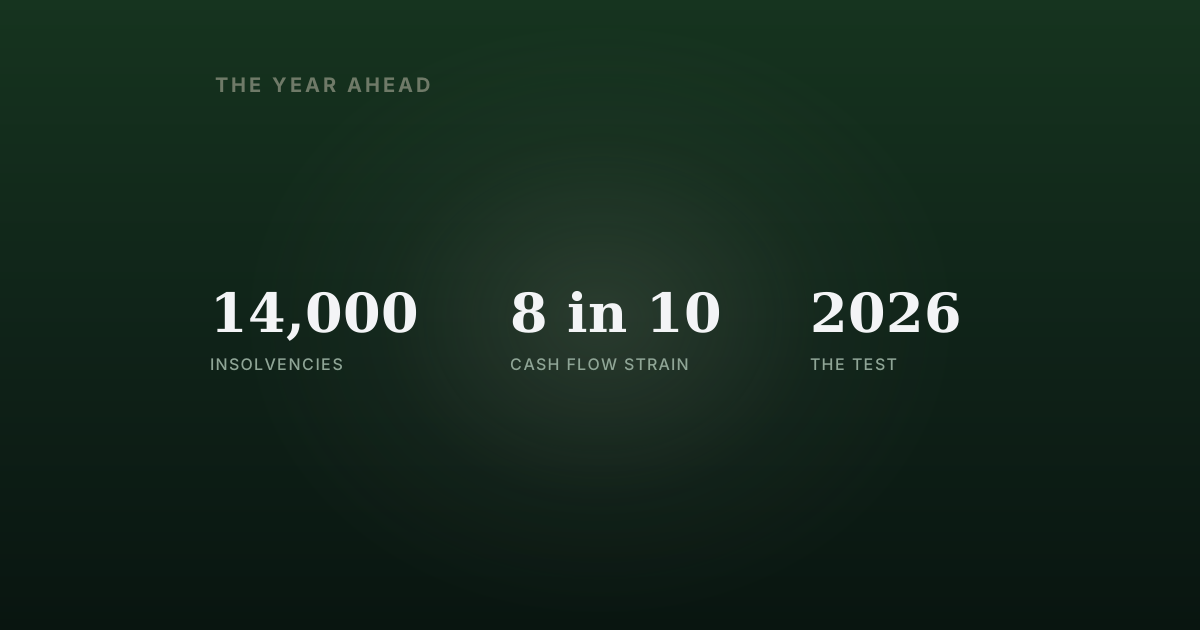
As we head into 2026, Australian small business faces a familiar mix: cautious optimism from economists, lingering cost pressures from operations, and a policy environment that's about to get harder. The businesses that navigate this successfully won't be the ones with the best strategy decks. They'll be the ones who know their numbers.

Trent West
4 Minutes
After the Record: What 14,000 Business Failures Tell Us About 2026
FY2024-25 set a record for corporate insolvencies in Australia: 14,722 companies entered external administration for the first time, up 33.2% on the 11,053 recorded in FY2023-24.
Trent West
7 Minutes
2025: The Year Australian Business Stopped Pretending
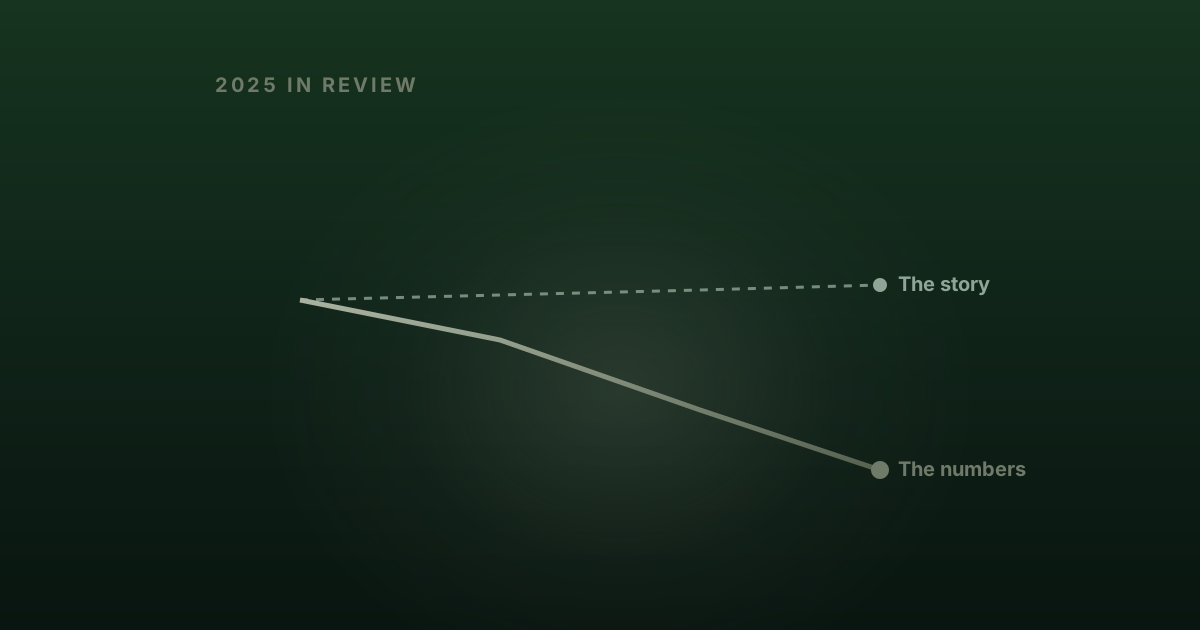
2025 was the year the deferrals ran out. The year pandemic-era survival mechanisms finally expired. The year businesses discovered whether the problems they'd been managing were temporary or structural.

Trent West
4 Minutes
14,000 Business Failures and Counting: What the Insolvency Surge Actually Tells Us
In May 2024, Australia recorded its highest monthly insolvency figure since ASIC began publishing data in 1999. In FY2024-25, 14,722 companies entered external administration for the first time, up 33.2% on the 11,053 recorded in FY2023-24.

Trent West
4 Minutes
The 30% Problem: When One Client Can Kill Your Business
Nearly a quarter of Australian SMEs say that losing one major account could push them under. That's not a hypothetical risk assessment. It's a structural vulnerability sitting at the heart of thousands of otherwise successful businesses.

Trent West
4 Minutes
Eight in Ten SMEs Have Cash Flow Problems. Most Don't Know Why.
A survey commissioned by CommBank and conducted by YouGov, covering 507 Australian small and medium business owners with fieldwork in late 2024, found that nearly 80% had experienced cash flow impacts in the previous twelve months. NAB's quarterly SME survey reinforces the finding: cash flow remains the primary concern for 43% of small businesses heading into 2025.